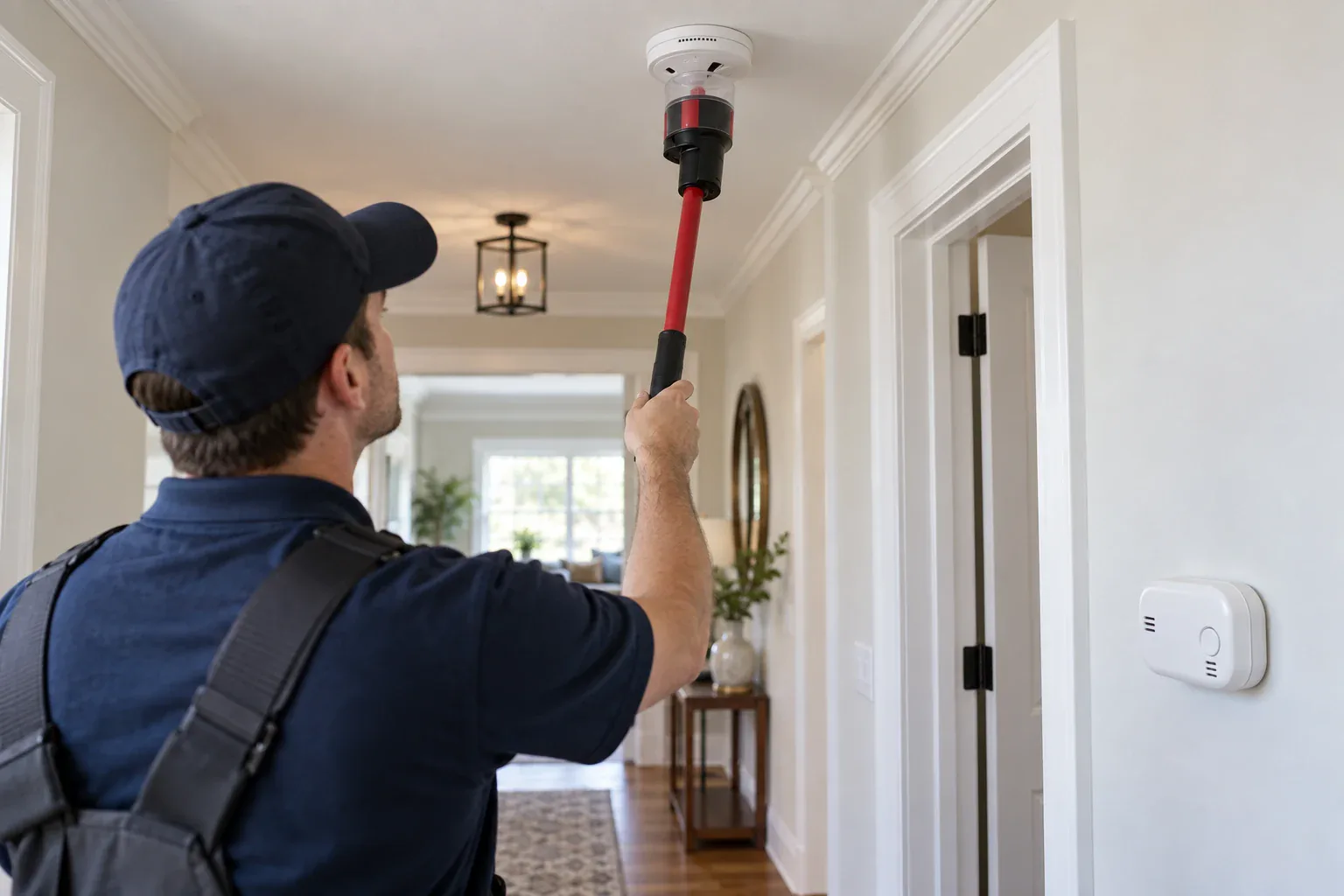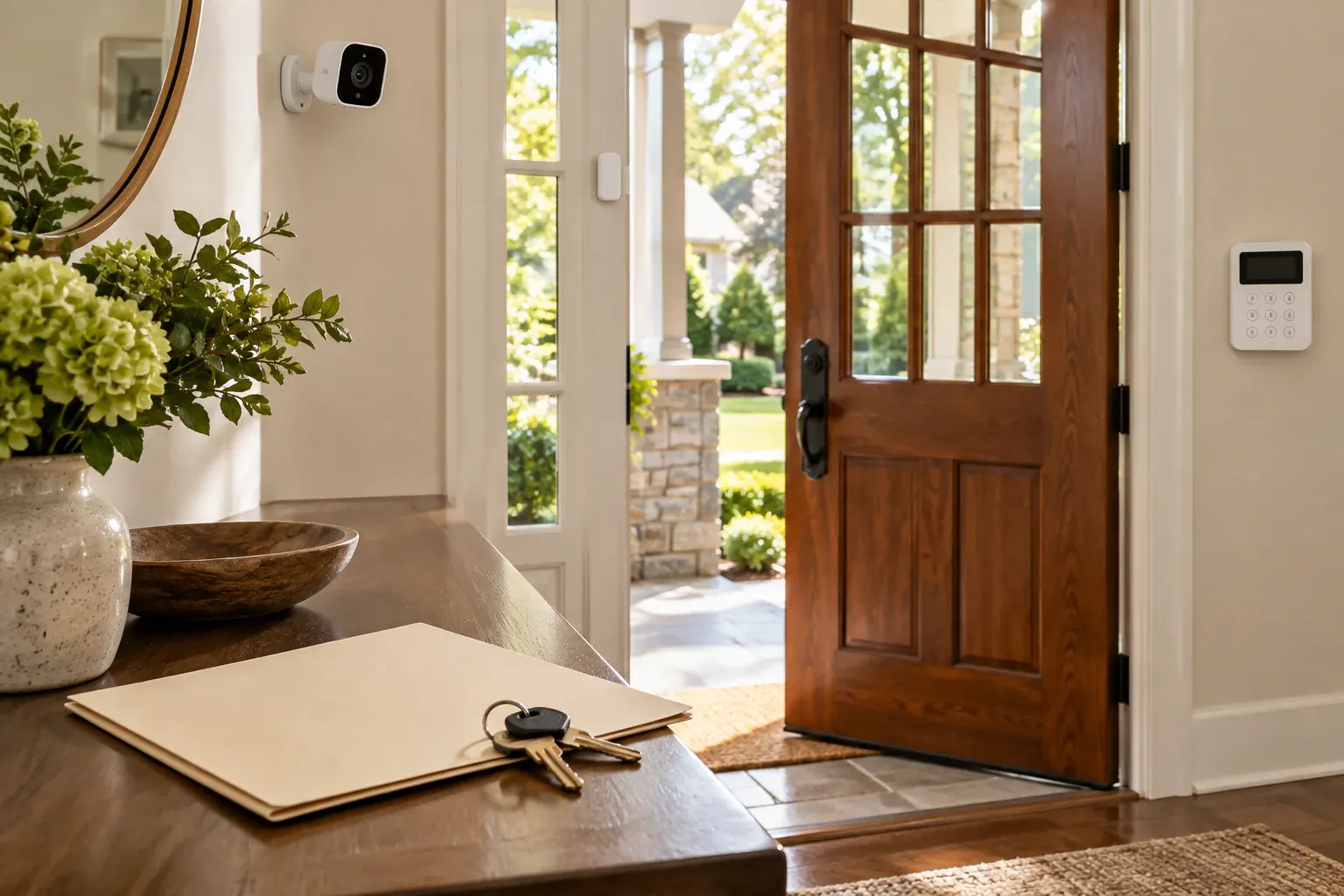
Westchester NY home whose security system qualifies for a homeowners insurance discount

Home Security Systems & Insurance Discounts in NY & CT: How Much You Actually Save

Rolo Electronics EditorialField-tested by certified installers8 min read

Last updated:

The Short Answer: 5–20%

Most major US insurers discount homeowners premiums 5–20% for qualifying security systems. On a typical $2,300 policy that's $115–$460 per year — and on high-value Westchester and Fairfield policies, meaningfully more. Monitored systems earn the full discount; self-monitored devices typically earn a 2–5% protective-device credit.

The logic is simple underwriting: monitored homes suffer fewer undetected break-ins, fires, and water losses, so carriers price them lower. According to NerdWallet's smart-home insurance analysis, qualifying devices now go well beyond burglar alarms — cameras, smoke detection, leak sensors, and even electrical monitors all count with many carriers.

In our area the percentages hit harder than the national average: premiums on $1M+ homes in Greenwich or Scarsdale commonly run $3,000–$6,000+, so the same 10–15% discount returns $300–$900 every year.
What Actually Qualifies

Carriers group protective devices into tiers, and the tier decides your percentage:

  • Full discount tier — professionally monitored systems. Burglar and/or fire alarm with 24/7 central-station monitoring and dispatch. This is what unlocks the advertised 15–20% numbers at most carriers.
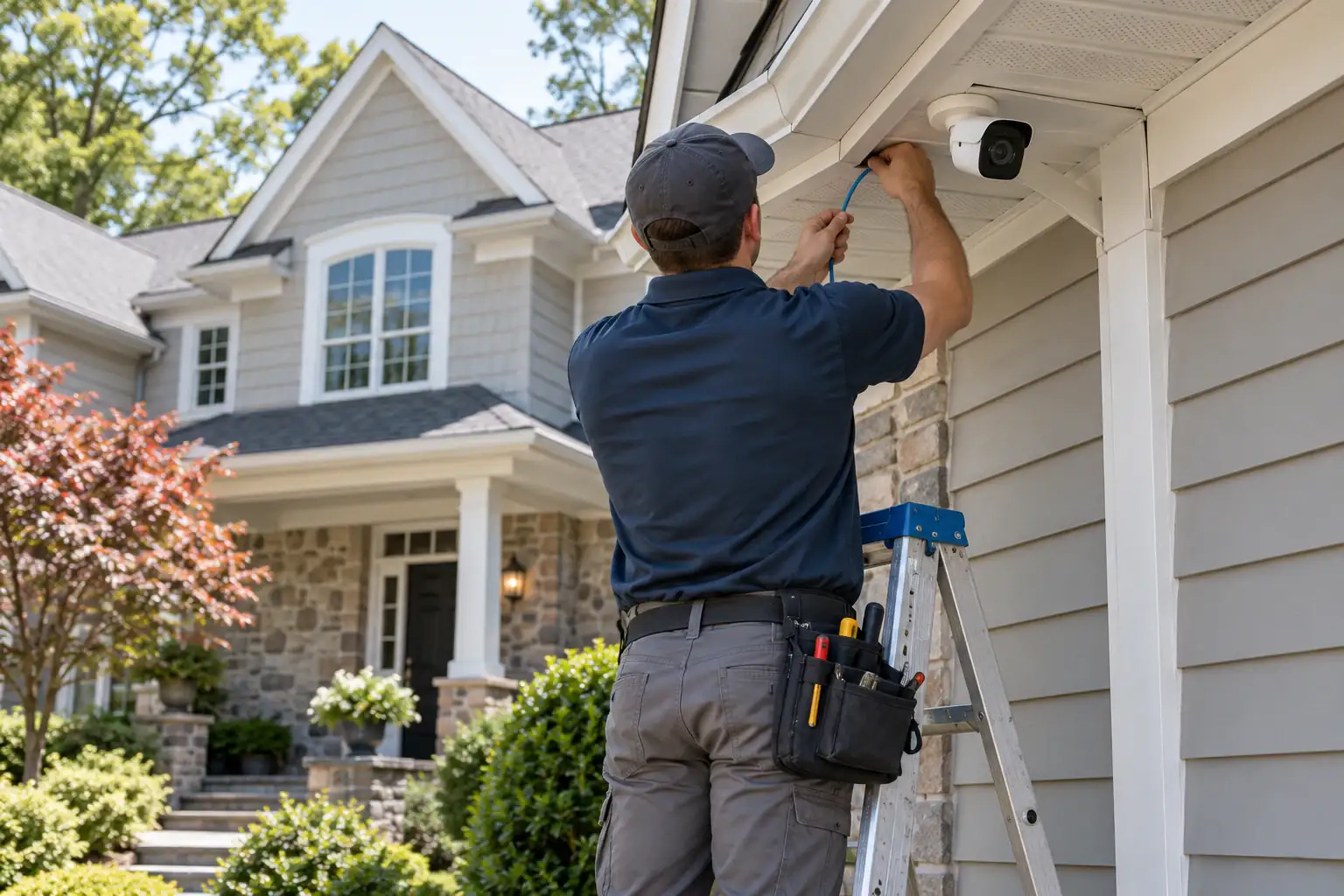
  • Mid tier — professionally installed local systems. Cameras with continuous recording, alarm sirens, smart locks, and monitored smoke/CO detection. Typically 5–10%.
  • Credit tier — self-monitored devices. A DIY doorbell camera or app-only alarm usually earns a small protective-device credit of 2–5%.

Two local notes: several carriers require the alarm permit your town mandates anyway (see our Greenwich alarm permit guide), and fire/smoke integration matters as much as burglary coverage — carriers weight fire losses heavily (our CT/NY fire alarm guide covers requirements).

Carrier-by-Carrier Discounts

CarrierAdvertised discountRequirement for max
AllstateUp to 20%Monitored fire + burglar alarm
State FarmUp to 15%Monitored alarm system
USAAUp to 15%Monitored security system
Liberty Mutual5–10% (varies by state)Protective devices, proof required
Chubb / high-value carriersNegotiatedDocumented system; often generous on $1M+ homes

Numbers are advertised maximums — your actual quote depends on state filings and your policy. The move is simple: call your agent, ask exactly which devices qualify and at what percentage, then match the system to the answer. We're happy to be on that call.

The Overlooked Discount: Water Leak Sensors

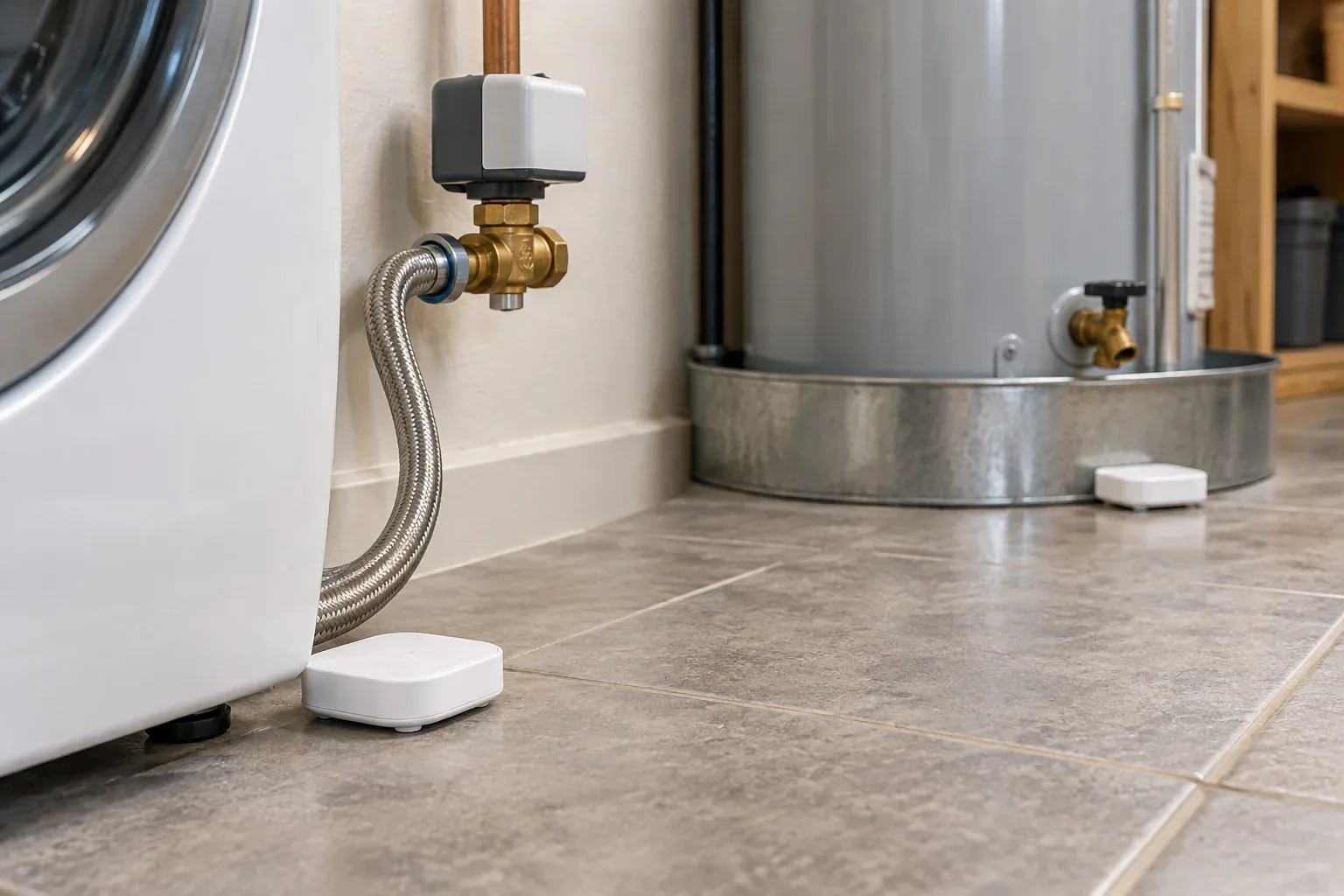
Here's the part almost everyone misses: water damage claims outnumber burglary claims, and carriers know it. Wi-Fi leak sensors under sinks, behind washing machines, and at the water heater — especially paired with an automatic shut-off valve — earn their own discount at many carriers and prevent the five-figure claim that raises your premium for years.

In Connecticut and New York, the killer scenario is the January pipe burst in a vacation or weekend home that nobody visits for two weeks. Leak sensors tied into the same hub as your security system alert you in minutes; a smart valve stops the water before the hardwood floors float. If you own a second home, this belongs in your remote monitoring setup.

Residential alarm keypad and sensors that qualify a home for insurance discounts

How to Claim It (the Certificate Matters)

Insurers don't take your word for it — they want documentation:

  • Certificate of installation from a licensed installer, listing the equipment, monitoring status, and install date. Rolo provides this with every system, on request, at no charge.
  • Monitoring certificate from the central station, if you have professional monitoring.
  • Photos or an equipment schedule for camera and sensor counts — some carriers ask, most don't.

Send the paperwork to your agent, ask them to re-rate the policy, and confirm the discount appears at the next renewal. Five minutes of email for a recurring annual saving.

The Payback Math

Take a real example from our service area: a 4-camera system with alarm integration installed for $2,000 on a home paying $3,500/year in premium. At a 12% discount, insurance returns $420/year — the system pays for itself in under five years from insurance alone, before counting a single prevented loss, and faster still if you dropped a $45/month monitoring contract for a no-subscription setup.

Sources

Need expert advice? Get a free consultation.

Licensed installers in CT & NY — no obligation.

Frequently Asked Questions

How much does a security system lower home insurance?

Most major carriers discount 5–20% for qualifying systems — about $115–$460 per year on a typical $2,300 policy, and more on high-value Westchester and Fairfield policies. Professionally monitored systems earn the top of that range.

Do self-installed cameras qualify for an insurance discount?

Usually only for a small protective-device credit of 2–5%. Carriers reserve the full 15–20% discounts for professionally installed and monitored systems, because monitored homes produce fewer large claims.

What proof does my insurance company need?

A certificate of installation from a licensed installer listing the equipment and install date, plus a monitoring certificate if you have central-station monitoring. Send both to your agent and ask them to re-rate the policy.

Do water leak sensors count toward the discount?

Yes — many carriers discount for Wi-Fi leak sensors, and several give additional credit when they're paired with an automatic water shut-off valve. Since water damage claims outnumber burglary claims, insurers weight these devices heavily.

About the author

Rolo Electronics Editorial

Field-tested by certified installers

Reviewed and fact-checked by Rolo Electronics' lead technicians, drawing on 500+ residential and commercial installations across Connecticut and New York.

LinkedIn

Related Articles

Back to all articles
Need help? Text us!