Red fire alarm pull station mounted on a wall

Fire Alarm Installation Requirements in Connecticut & New York (2026)

Rolo Electronics Team8 min read

Last updated:

Connecticut Smoke Alarm Requirements

As a practical homeowner checklist, Connecticut guidance and adopted residential fire-safety rules expect smoke alarms in the core life-safety locations below:

  • Inside every bedroom — each sleeping room must have its own smoke alarm
  • Outside every sleeping area — in the hallway or corridor adjacent to bedrooms
  • On every level of the home — including basements and habitable levels
  • With interconnection where required — so one alarm can trigger the others

In new construction and many permit-triggered renovations, Connecticut installations are typically expected to be hardwired, interconnected, and battery-backed. Existing homes without renovation scope may still use battery-powered alarms where allowed, but the units still age out and should be replaced on the manufacturer timeline, usually every 10 years.

Important: the local building official or fire marshal has final authority. Before quoting a retrofit, we verify the municipality because Greenwich, Stamford-adjacent work, and older housing stock can all introduce project-specific requirements.

New York State Requirements

New York State homeowner guidance tracks the same life-safety pattern:

  • Inside every bedroom
  • Outside every sleeping area — in the path of egress from bedrooms
  • On every level including basements and occupied stories
  • Interconnected where current code requires it — especially in new work and substantial alterations

For Westchester County specifically, the municipality and permit scope matter. Rye, Scarsdale, White Plains, and Port Chester all enforce New York State code through the local authority having jurisdiction, and that office decides when a replacement becomes a code-upgrade event.

Our rule of thumb in New York: if the project involves new wiring, new sleeping-area work, or permit-triggered renovation, plan around hardwired, interconnected alarms with battery backup unless the inspector tells you otherwise.

Types of Smoke & Fire Detectors

Not all smoke detectors are the same. Understanding the types helps you choose the right detectors for each room:

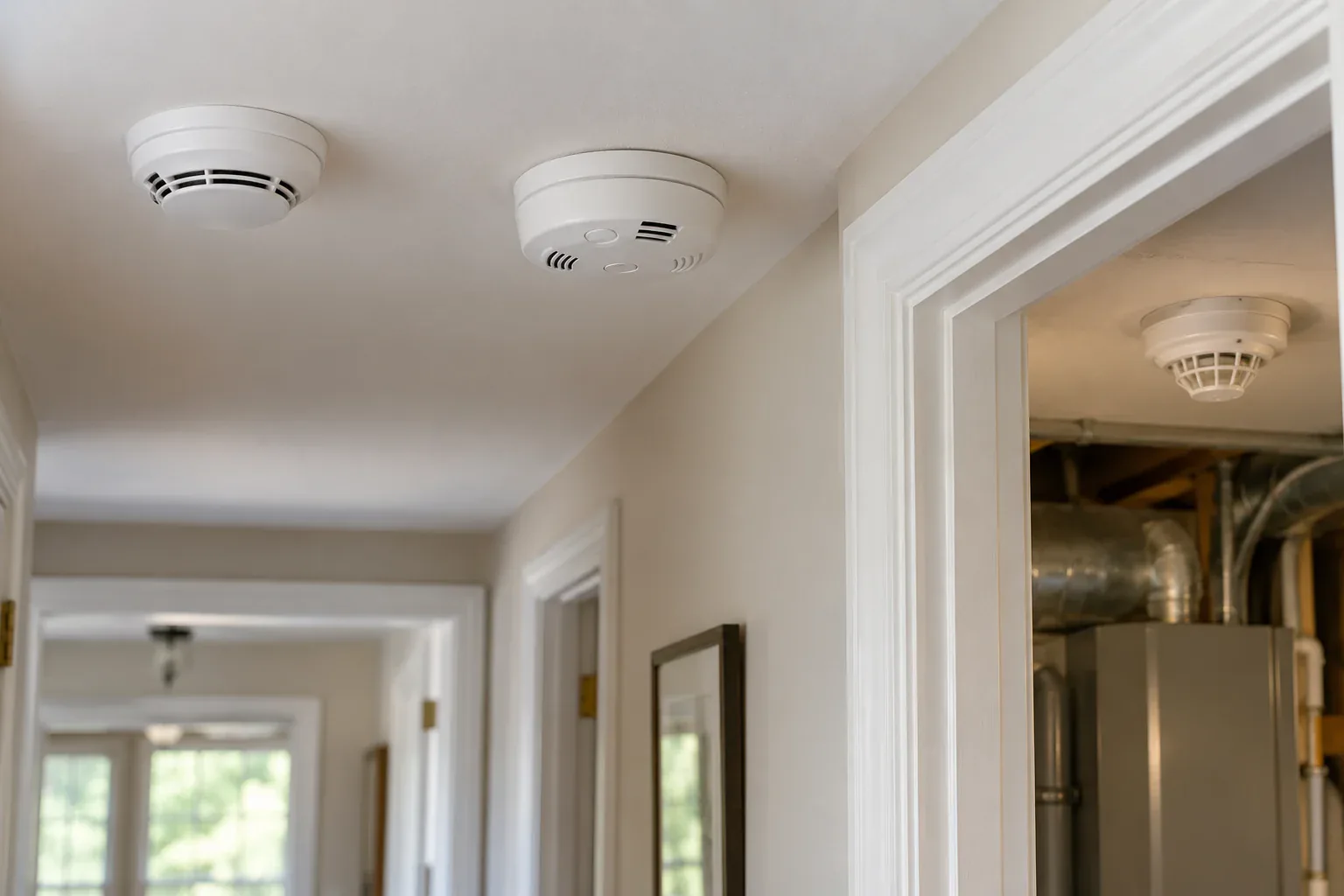
  • Ionization detectors — best at detecting fast, flaming fires (paper, wood). Faster response to open flames but more prone to cooking false alarms. Best for: living rooms, bedrooms, hallways.
  • Photoelectric detectors — best at detecting slow, smoldering fires (electrical, upholstery). Better at catching fires before they produce open flames. Best for: near kitchens, laundry rooms, garages.
  • Dual-sensor detectors — combine both ionization and photoelectric technology. More expensive but provide the broadest protection. Our recommendation for most rooms.
  • Heat detectors — activate when air temperature reaches 135–200°F. Don’t detect smoke, so they’re not a replacement for smoke alarms. Best for: kitchens, garages, attics, and bathrooms where smoke alarms would false-alarm frequently.

The NFPA recommends a combination approach: dual-sensor smoke alarms in bedrooms and hallways, with heat detectors in kitchens and garages.

Smoke detector mounted on ceiling for fire safety

Carbon Monoxide Detector Requirements

Both Connecticut and New York require carbon monoxide protection in homes, especially where sleeping areas, fuel-burning appliances, fireplaces, or attached garages are involved:

  • Connecticut: plan on CO protection near sleeping areas and on the levels required by the local official, particularly if the home has combustion equipment or an attached garage
  • New York: plan on CO protection outside sleeping areas and in the locations required by the adopted residential or fire code for the dwelling type

CO detectors can be combination units that detect both smoke and carbon monoxide, which simplifies installation. We usually recommend hardwired combo units for renovation work because they reduce ceiling clutter while making compliance easier to document.

Smart Home Fire Safety Integration

Modern fire detection goes beyond basic alarms. Smart integration adds critical features:

  • Mobile push alerts — get notified on your phone immediately when any alarm triggers, even if you’re not home. Know which specific detector activated (kitchen vs. basement).
  • Automated responses — when smoke is detected, the smart home system can automatically unlock doors (for egress), turn on all lights (for visibility), and shut off HVAC (to prevent smoke circulation).
  • Voice announcements — smart speakers (Alexa, Google) can announce which area of the house has detected smoke, helping family members navigate to safety.
  • Video verification — interior cameras can confirm whether an alarm is real or a false alarm from cooking, reducing unnecessary 911 calls.
  • Monitoring integration — for homeowners who want professional monitoring, smart detectors can automatically alert a monitoring center that dispatches fire services.

Smart smoke detectors like the First Alert Onelink or Google Nest Protect offer these features with easy integration into existing smart home setups.

Maintenance & Testing Schedule

Installing detectors is only the first step. Regular maintenance is required by both CT and NY code:

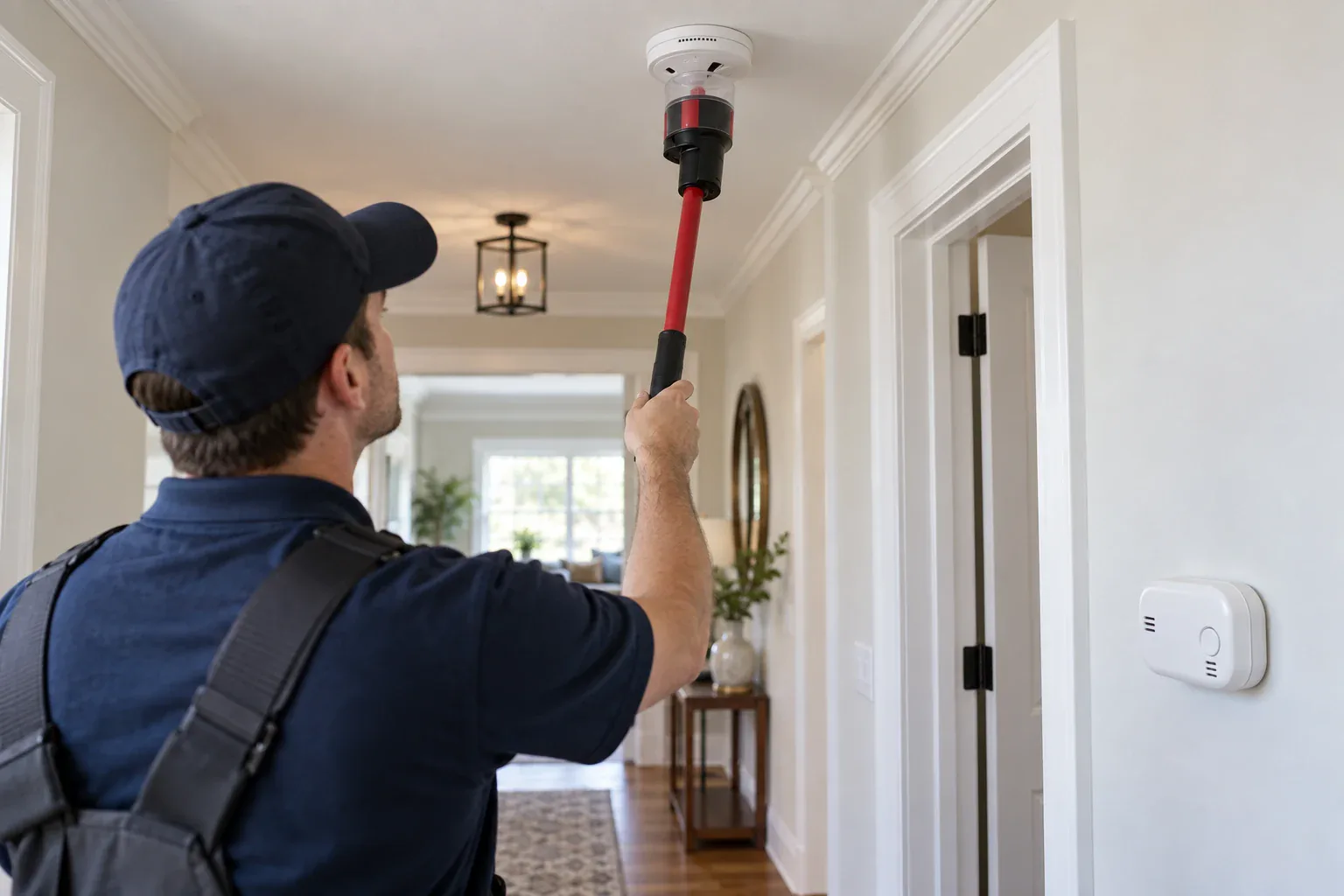
  • Monthly: Press the test button on every smoke and CO alarm
  • Every 6 months: Vacuum dust from detector vents (dust buildup causes false alarms and reduced sensitivity)
  • Annually: Replace batteries in battery-operated and battery-backup units (even hardwired units have backup batteries)
  • Every 10 years: Replace smoke detectors entirely (sensors degrade over time)
  • Every 5–7 years: Replace CO detectors (CO sensors have a shorter lifespan than smoke sensors)

Tip: Write the installation date on the back of each detector with a permanent marker. When it’s time to replace, you’ll know exactly which units have reached their end of life.

When are hardwired smoke alarms required in CT or NY?

In both states, hardwired and interconnected alarms are most commonly triggered by new construction, permit work, major renovations, and certain sleeping-area changes. The exact trigger depends on the adopted code and the local authority having jurisdiction.

For homeowners, the practical rule is simple: if the project involves permitted renovation or new wiring, assume hardwiring may be required and verify it before buying equipment.

When should smoke and CO detectors be replaced?

Most smoke alarms should be replaced every 10 years. Carbon monoxide devices often have a shorter life depending on the sensor and manufacturer. The safest move is to check the date on the back of the unit and replace anything near the end of its rated life.

If the alarms are yellowed, chirping, inconsistent, or tied to an old renovation, replacing them is usually cheaper than troubleshooting aging life-safety equipment.

Professional Installation

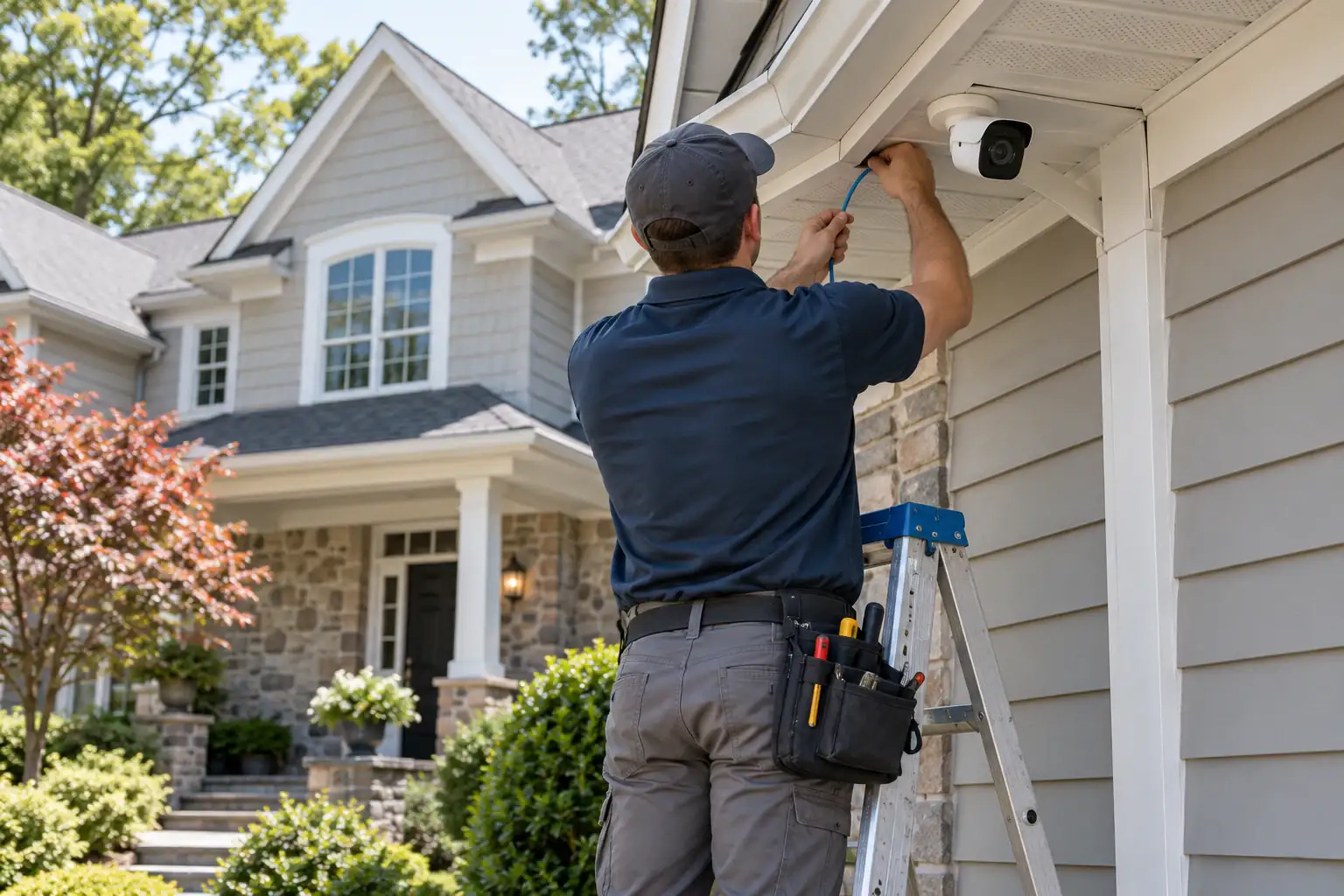
Rolo Electronics installs hardwired, interconnected fire alarm systems for homes and small businesses throughout Westchester County NY and Fairfield County CT.

Our fire alarm installation includes:

  • Code-compliant placement in every required location
  • Hardwired interconnection with battery backup
  • Hidden wiring — all cables concealed inside walls and ceilings
  • Smart home integration — mobile alerts, automated responses, and voice announcements
  • Testing and verification of every detector before handoff
  • 1-year workmanship warranty

Before installation, we confirm the applicable municipal requirements for your address so the system design matches the permit and inspection path. Schedule a free consultation or call (914) 247-9506. We serve Greenwich, Stamford, Norwalk, Darien, New Canaan, Rye, Port Chester, White Plains, Scarsdale, and surrounding areas.

Sources

Need expert advice? Get a free consultation.

Licensed installers in CT & NY — no obligation.

Related Articles

Back to all articles
Need help? Text us!